



Restoring New Jersey Homes and Businesses Since 1969
Water damage or sewage backup in your home or building? Need certified mold remediation or mold testing? In no time, we’ll have your property back in perfect shape.
Dry Your Property Quickly of Water Damage
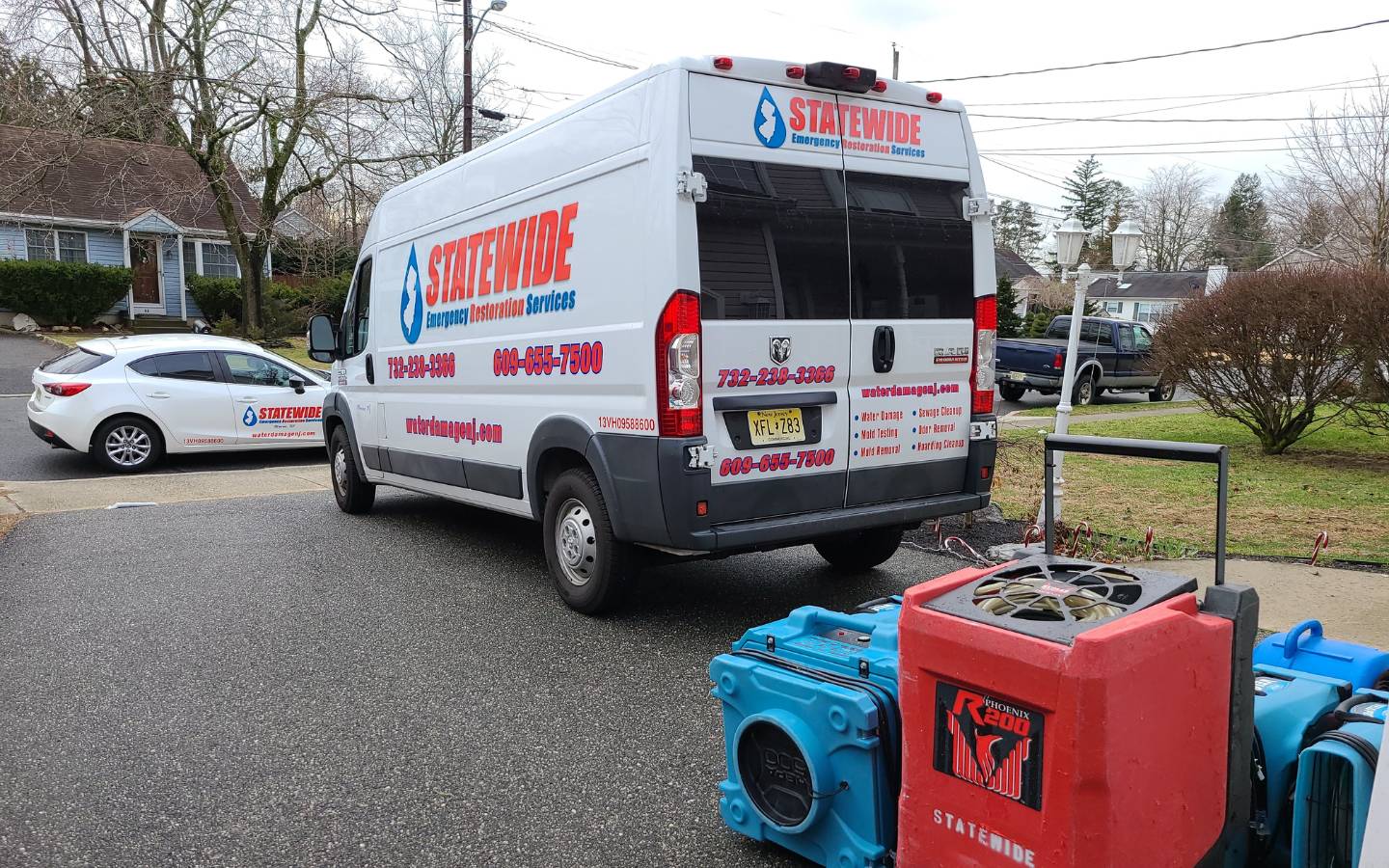
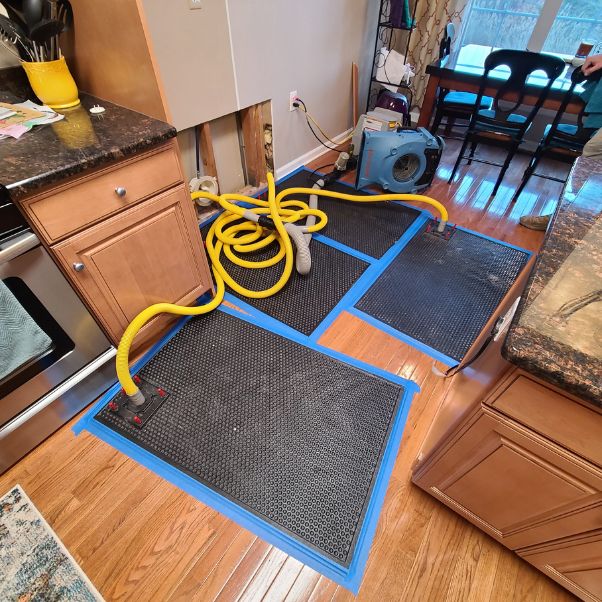
Our water damage restoration experts have specialized equipment and techniques that are designed to efficiently and effectively remove water and moisture from your property. They also have the expertise to handle a wide range of water damage scenarios, from minor leaks to major floods. Get your home or business back in working order!
Eliminate Hazardous and Unsightly Mold
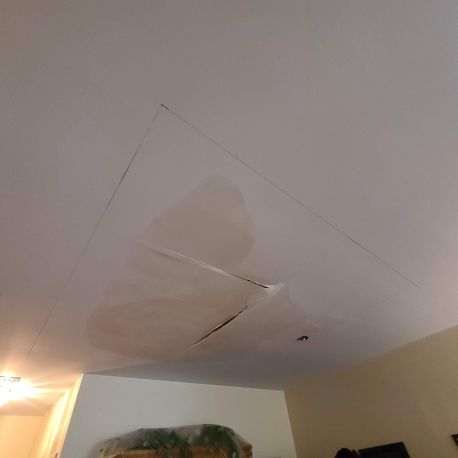
Mold can be hazardous to your health, especially when disturbed. We have the equipment and training to handle mold safely. We’ll identify the source of the mold, determine the extent of the damage, and develop a remediation plan and structural improvements. Restore the health of your home and keep your family safe!
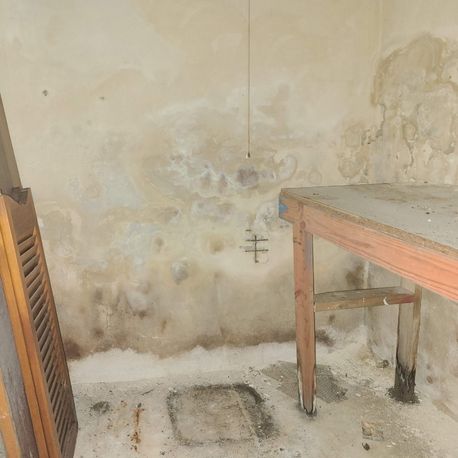
Determine Whether Your Home Is Clear of Mold
Professional mold testing companies can identify hidden mold that may not be visible to the naked eye. We’ve got the equipment and expertise to conduct accurate and comprehensive mold tests. We’ll sample, analyze, and interpret the results to determine the type and level of mold present in your home or business. Protect your home from mold before it gets out of hand!
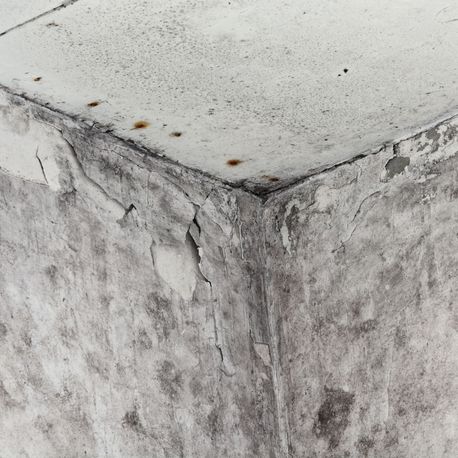
We’ll Get Your Property Cleaned of Waste Water and Sewage
Suffered sewage backup disaster? We can help! As experts in sewage clean-up, we have the equipment and training to handle sewage safely. With our powerful cleaning solutions, we’ll remove sewage and disinfect affected areas. We’ll also remove the strong odors that sewage and sludge left behind. Get your property restored to its original condition in no time!
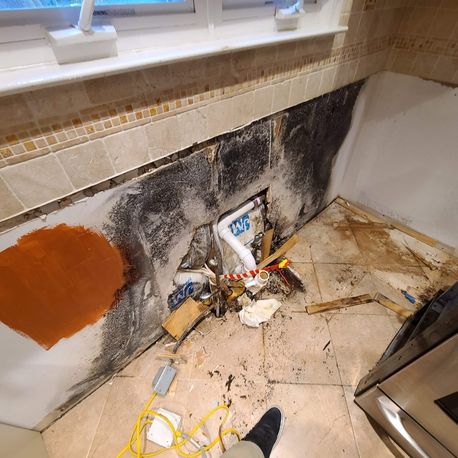
Are You Keeping a Ton of Things You Don’t Need?
Hoarding of items can pose serious health risks because of the accumulation of clutter and debris. These unused items are also nesting grounds for pests that bring mold and animal waste. Our professional cleaners have the equipment and training to handle these materials safely. Hoarded items could also leave behind strong and unpleasant odors which our cleaners can deodorize efficiently. Get your home cleaned and free up space for what’s essential.
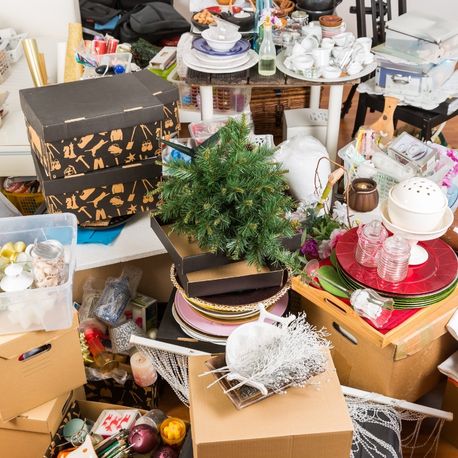
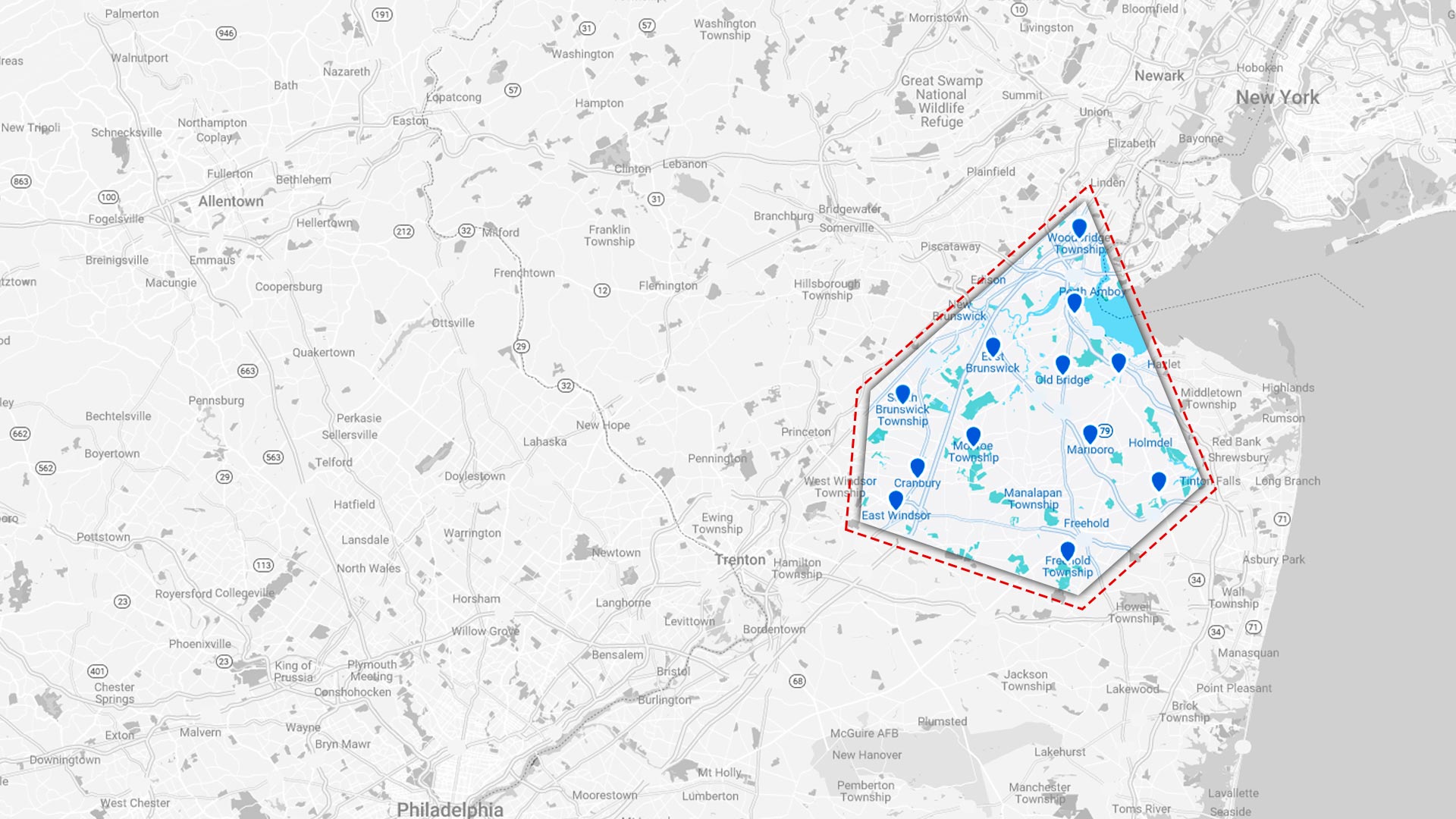
Get your property back in working order with the help of our experienced restoration company. We’re located in South Amboy, NJ, and service the entire state of New Jersey.
Look no further than Statewide Emergency Restoration Services for a fast clean-up of your home or business after a disaster and unforeseen event. Our professional restoration company is available 24/7 and can respond quickly to emergencies overseeing the job from start to finish.
We’ve got the knowledge and expertise to handle a wide range of restoration projects. We’re equipped with specialized equipment like air movers and trained in the latest restoration techniques. We work throughout the entire State of New Jersey and can consult with your insurance provider directly.
Our company has been providing emergency restoration services in Monroe Township, Old Bridge, Freehold, East Brunswick, South Amboy, NJ, and surrounding areas since 1969. We’re an IICRC-certified, family-oriented business committed to rebuilding our community. No matter what kind of damage your property has suffered, you can trust us to repair the damage and make it stronger than ever. Call us to get your property back in working order as soon as possible. Reach out to us for:
24-hour Emergency services available!
Benefit from our 24-hour emergency services! With our prompt response to disasters, we can minimize the damage and prevent secondary damage, ensure safety, facilitate the claims process, for your peace of mind. For additional details and to learn how we can assist you, get in touch with us right away.
This Is What Makes Us Stand Out


WHAT OUR CLIENTS ARE SAYING
Get In Touch
If you’re ready to get fantastic service, then call us today at (732) 238-3366, or fill out the form.
